
Sports and recreation spaces have changed a lot in the last couple of decades, mostly because expectations have changed. Communities want facilities that feel professional, coaches want layouts that actually support training, and owners want buildings that open on time, stay comfortable, and hold up to heavy use without constant patchwork repairs.
Metal buildings fit this moment well because they solve several hard problems at once, including large open floor plans, high clear heights, flexible expansion options, and predictable construction schedules. When those structural advantages are paired with the right insulation, lighting, acoustics, and interior finishes, a metal facility can feel every bit as polished as a traditional build while staying practical for long-term operations.
From Community Gyms to Tournament Fieldhouses
Metal buildings show up in recreation projects of all sizes because the structural system scales easily. A small-town training gym, a school athletic addition, and a multi-court tournament complex can all be designed around the same core benefits, which keeps planning simpler while still allowing the finished building to match the program’s personality.
Recreation facilities also tend to be multi-use by nature, even when the original plan seems straightforward. A basketball court becomes a volleyball venue, then turns into a community event hall, then hosts summer camps, clinics, and vendor fairs, which is exactly why owners like building systems that can adapt without forcing a full redesign every time the schedule evolves.
Why Do Clear Spans Matter So Much?
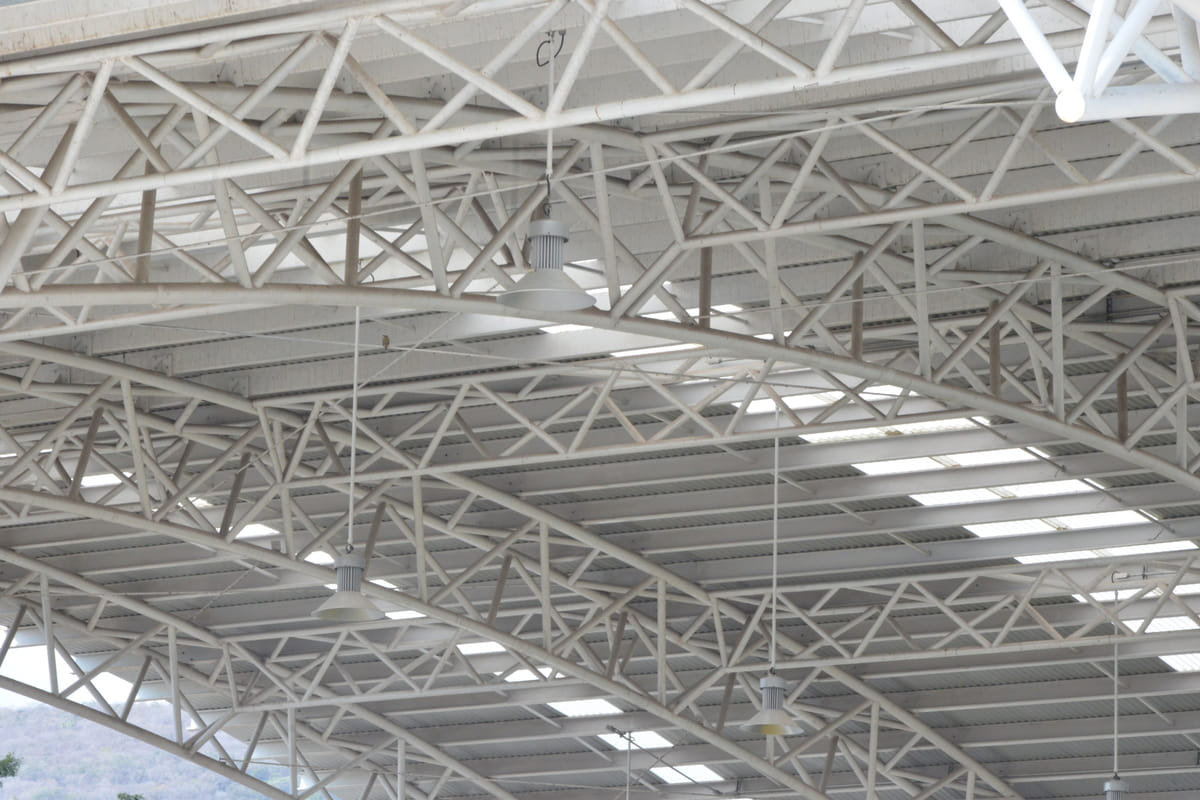
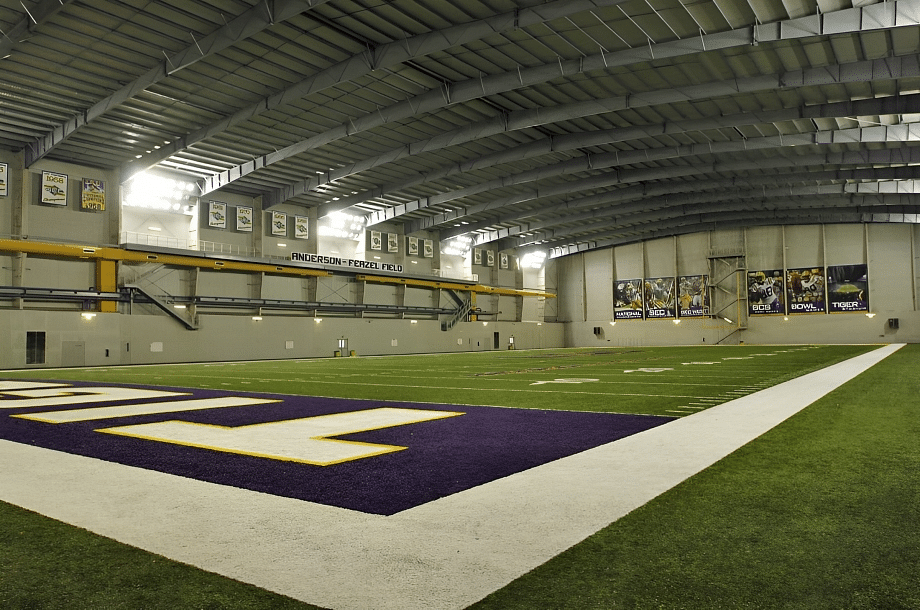
Clear span design is one of the biggest reasons metal buildings work so well for sports, since the structure can cover wide areas without interior columns interrupting the floor. Courts, turf fields, batting cages, wrestling rooms, and practice lanes all benefit from uninterrupted space because athletes move fast, equipment layouts change, and sightlines matter for both coaches and spectators.
The same idea applies vertically, because many sports demand height as much as width. Volleyball, basketball, indoor soccer, golf simulators, climbing walls, and even some training rigs require higher clearances, and metal building frames make it easier to engineer that volume without turning the project into a complicated maze of trusses and support walls.
Clear spans also help with operations in ways people do not always anticipate at the planning stage. Maintenance crews can access equipment, lift rentals can move freely, and event setups can be done quickly, which matters when the facility needs to flip from practice mode to game mode to banquet mode on a tight calendar.
Room to Grow Without Starting Over
Recreation buildings often begin with a realistic budget and a hopeful long-term vision, which is a polite way of saying the first phase rarely includes everything the organization will want five years later. Metal buildings are well-suited for phased growth because additions can be planned into the original layout, including future bays, extended rooflines, or adjacent expansions that keep the facility cohesive.
Growth flexibility also shows up inside the footprint, not just at the perimeter. Offices, training rooms, storage, concessions, and meeting areas can be rebalanced over time as the facility learns what it truly needs, and a metal building’s open structure supports that kind of interior reshuffling without fighting against load-bearing partitions.
How Do Metal Buildings Support Year-Round Comfort?
Comfort is not a luxury in athletic spaces, since temperature and humidity directly affect performance, safety, and the quality of the playing surface. A well-designed metal facility can handle year-round use when the building envelope is treated as a system, meaning insulation, air sealing, vapor management, and HVAC are planned together instead of patched in as separate decisions.
Insulation choices matter, although the bigger point is consistency across the entire envelope. Roof assemblies, wall systems, and penetrations around doors, louvers, and utilities need to work as a unified barrier, since small gaps become big comfort problems when you are conditioning a large volume of air for long hours every day.
Acoustics also influence comfort, even when the thermostat is perfect. Metal buildings can be tuned to sound better through ceiling treatments, wall panels, baffles, and strategic material choices that reduce echo and improve speech clarity, which helps coaches communicate, keeps events from feeling chaotic, and makes the space more pleasant for families and spectators.
Managing Moisture and Corrosion in Athletic Spaces
Sports buildings create moisture in predictable ways, including sweat, wet gear, mopping, showers, and outdoor air that gets dragged inside during busy seasons. Metal buildings handle these conditions well when the design includes proper ventilation, effective vapor control, and interior finishes that resist water damage, because the goal is to manage moisture instead of pretending it will not happen.
Corrosion resistance is also part of the conversation, especially for facilities near coastal regions, in humid climates, or in buildings that include pools, ice operations, or frequent washdowns. The right coatings, material selections, and maintenance planning protect the structure over time, and those decisions are easiest to make early, when the project team can align durability with budget instead of retrofitting after issues appear.
What Helps a Metal Facility Feel Like a True Arena?
People sometimes picture metal buildings as purely functional boxes, although the best modern facilities do not look or feel that way. Exterior finishes, façade elements, and thoughtful entrances can give the building a civic presence, and interior choices like lighting design, color strategies, and clean circulation paths make the space feel intentional instead of improvised.
Lighting is one of the fastest ways to raise the quality level, since sports demand bright, uniform illumination without harsh glare. High-bay fixtures, well-planned mounting locations, and controls that support different modes, like practice, games, and events, create a professional environment while also reducing wasted energy during off-peak hours.
Spectator experience is shaped by details that are easy to overlook during early planning. Comfortable viewing zones, clear wayfinding, smart placement of restrooms and concessions, and acoustic choices that keep announcements understandable all contribute to whether families want to come back, which is why successful sports facilities treat the building as a complete experience rather than just a playing surface with a roof.
Built for Impacts, Crowds, and Code Requirements
Athletic buildings take physical punishment, including ball impacts, equipment collisions, constant foot traffic, and the wear that comes from moving bleachers, goals, and training rigs week after week. Metal buildings can be paired with durable interior liners, impact-resistant wall systems, and floor and base protections that reduce maintenance headaches without making the facility feel industrial.
Building codes and safety requirements also carry extra weight in assembly spaces, especially when the facility hosts tournaments, graduations, or community events that pack in spectators. Egress planning, occupant loads, fire protection strategies, and accessible routes should be integrated from the beginning, since a sports facility that looks great but bottlenecks at the exits is not a success.
Durability includes structural strength, yet it also includes the smaller components that fail first, like doors, hardware, and high-use thresholds. A thoughtful specification process that matches materials to real-world traffic patterns helps the facility stay sharp longer, which protects the brand and keeps operating costs from creeping upward every season.
Fast Schedules, Predictable Budgets
Sports and recreation projects often have immovable deadlines, such as a school year, a league launch, or a tournament season, which makes schedule reliability a core feature rather than a nice bonus. Metal building systems tend to support faster construction timelines because the structural package is coordinated early, fabrication is controlled, and the on-site assembly process is efficient when the project is properly planned.
Budget predictability matters for the same reason, since most recreation facilities are built with tight financial oversight, whether the owner is a municipality, a school system, or a private operator. Clear scope definitions, disciplined design decisions, and an experienced building partner help reduce surprise costs, especially when the team is proactive about long-lead items like mechanical equipment, specialty flooring, and custom door packages.
Sustainability That Shows Up on the Utility Bill
Sustainability in sports facilities is not only about material choices, even though steel’s recyclability and long service life are meaningful advantages. The bigger sustainability win often comes from operational efficiency, since a large athletic building can burn money quickly if the envelope leaks, the HVAC is oversized or mismanaged, or the lighting cannot adapt to real usage patterns.
Energy-smart design tends to overlap with comfort, which is a helpful alignment for owners. Improved insulation, controlled ventilation, efficient lighting, and smart scheduling all reduce utility costs while making the building more enjoyable to use, and those savings keep compounding year after year, long after the ribbon-cutting photos are forgotten.
Ready to Build Your Next Facility With Ludwig Buildings?
A sports or recreation facility is a public promise, even when it is privately owned, because it becomes part of how a community trains, competes, and gathers. Metal buildings make that promise easier to keep by delivering the open space, clear heights, and flexible layouts that athletic programs need, while still leaving room for thoughtful finishes and a professional atmosphere.
Ludwig Buildings helps owners and organizations turn those structural advantages into facilities that perform in daily use, not just on paper. If you are planning a new gym, a fieldhouse, an indoor practice center, or a multi-use recreation complex, reach out to Ludwig Buildings to talk through your goals and map a practical path from concept to game day.

- Address
521 Timesaver Ave
Harahan, LA 70123- Get Directions
- Get Directions
- Phone Number
- (504) 733-6260
- Toll Free Number
- (855) 889-6348
Resources
Buildings
Areas Served
Copyright© 2026 Ludwig Buildings Enterprises, LLC | Privacy Policy