
Choosing the right building materials and construction methods can make a tremendous difference in how much you spend, how quickly your project comes together, and how well the finished structure serves your needs. Whether you're planning a warehouse, manufacturing facility, retail space, or another commercial property, pre-engineered steel metal buildings offer an appealing combination of strength, flexibility, and affordability. Unlike conventional construction methods, which often require extensive fabrication and adjustments at the job site, pre-engineered buildings are designed and manufactured with efficiency in mind. Understanding their advantages can help you decide whether this approach makes sense for your next construction project.
What Makes a Steel Building Pre-Engineered?
A pre-engineered steel building is a structure whose primary components are designed and manufactured before arriving at the construction site. Using specialized engineering software, manufacturers develop a coordinated building system that includes structural framing, roofing, wall panels, and other essential components. Each piece is fabricated according to the project's specifications, allowing the building to be assembled with considerably less on-site modification than many traditional construction methods require.
The term "pre-engineered" sometimes gives people the impression that these buildings come in only a handful of predetermined sizes or configurations, but that's not how modern systems work. Buildings can be engineered around specific dimensions, operational requirements, and architectural preferences while still benefiting from the efficiencies of factory fabrication. This combination of customization and standardized manufacturing processes is one of the biggest reasons steel building systems have become popular across so many industries.
Lower Construction Costs Without Sacrificing Quality
The Cost is naturally one of the first considerations when planning a commercial building, particularly when you're balancing construction expenses against the equipment, staffing, and other investments your operation will require. Pre-engineered steel buildings can offer substantial savings because their structural components are designed to use materials efficiently. Rather than relying on unnecessarily heavy framing throughout the structure, engineers can determine where additional strength is needed and where lighter components will perform adequately.
Factory fabrication can also reduce labor expenses by limiting the cutting, welding, and fitting that would otherwise take place on-site. Since the various components are designed to work together, installation crews can spend more time assembling the building and less time correcting inconsistencies. Although actual savings depend on the building's size, complexity, location, and intended use, these efficiencies can make pre-engineered steel an economical alternative to conventional construction.
How Much Faster Is the Construction Process?
When you're building a new commercial facility, every additional week of construction can affect your operating budget or delay the moment your business can begin using the property. Pre-engineered steel buildings help streamline the schedule because much of the fabrication happens in a controlled manufacturing environment before the materials reach the job site. Once the foundation is ready and the components arrive, experienced crews can begin assembling the structure without having to fabricate every major element from scratch.
The overall timeline still depends on permitting, site preparation, weather, and the complexity of the project. However, the coordinated nature of a pre-engineered system can reduce the time required for structural erection, helping owners move toward occupancy sooner.
Steel Provides Exceptional Strength and Durability
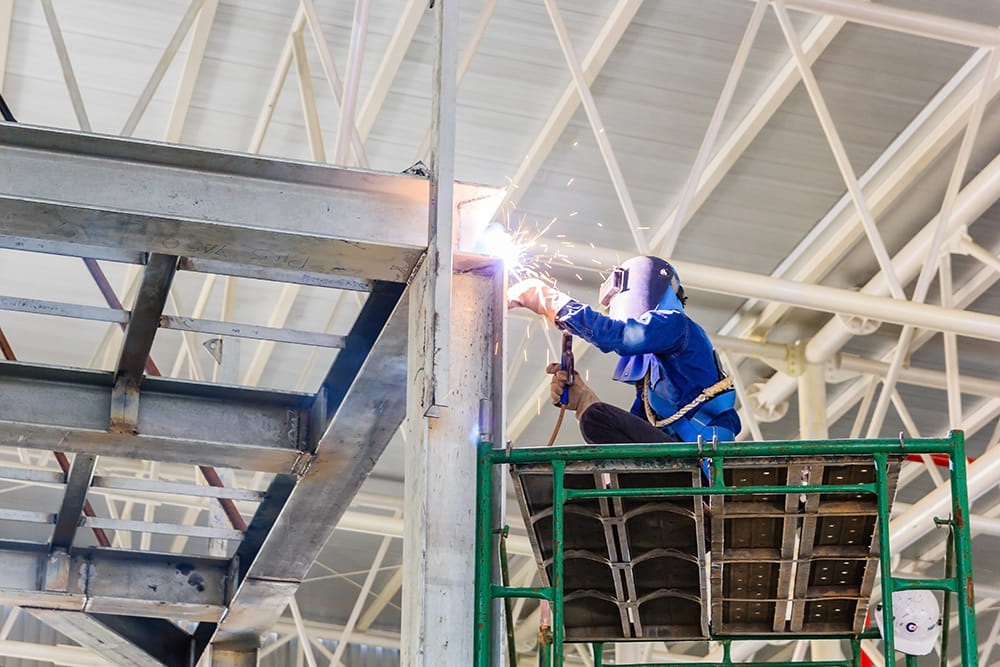
A commercial building needs to withstand more than ordinary daily use. Over its lifetime, the structure may experience heavy winds, changing temperatures, significant rainfall, and years of exposure to environmental conditions. Steel offers excellent structural strength relative to its weight, making it particularly useful for buildings that need dependable support without excessively bulky framing.
Steel also avoids several problems commonly associated with other construction materials. It does not provide a food source for termites, and unlike wood, it does not rot when exposed to moisture. Properly protected steel components can deliver decades of reliable performance, although protective coatings, drainage, and routine maintenance remain important for controlling corrosion.
Another advantage is the consistency of manufactured steel components. Because the material has predictable engineering properties and is fabricated according to established specifications, designers can calculate how structural members should perform under different loads. This predictability helps manufacturers develop buildings that meet applicable structural requirements while making efficient use of materials.
Built to Accommodate Demanding Weather Conditions
For businesses throughout Louisiana and the Gulf South, weather resistance deserves particular attention. Hurricanes, severe thunderstorms, heavy rainfall, and high humidity can all influence the design requirements of a commercial building. Pre-engineered steel systems can be specifically designed around the wind loads, exposure conditions, and other structural demands associated with a property's location.
That doesn't mean every steel building automatically provides the same level of storm protection. Performance depends on the engineering, connections, foundation, roof system, and installation quality. Working with an experienced manufacturer helps ensure that these elements are considered together, particularly in coastal areas where wind resistance and corrosion protection are especially important.
Wide-Open Interiors Create More Usable Space
One of the most practical advantages of pre-engineered steel construction is the ability to create large interior spaces with fewer supporting columns. Clear-span designs can provide uninterrupted floor areas, allowing businesses to organize their operations without constantly working around structural obstructions. For warehouses and distribution facilities, that additional flexibility can make it easier to position shelving, move forklifts, and establish efficient traffic patterns.
The same benefit extends to recreational facilities, aircraft hangars, manufacturing plants, and other properties where open space is essential. Instead of adapting daily activities around inconveniently located columns, owners can develop layouts that better accommodate equipment, people, and changing operational needs.
Can You Customize a Pre-Engineered Steel Building?
Absolutely. One of the most common misconceptions about pre-engineered metal buildings is that they all look like simple rectangular warehouses. While straightforward industrial designs remain popular, modern steel building systems can accommodate a considerable range of architectural styles, dimensions, roof profiles, and exterior finishes.
Depending on the project's requirements, a building may incorporate large overhead doors, storefront windows, mezzanines, office areas, loading docks, specialized ventilation, or equipment accommodations. Exterior materials and colors can also be selected to complement surrounding properties or reinforce a company's visual identity. These options allow businesses to create facilities that are both functional and attractive without abandoning the economic advantages of pre-engineered construction.
Customization is especially valuable when a property must support several activities under one roof. A company might need warehouse space in the rear, customer-facing offices near the entrance, and dedicated areas for machinery or maintenance. By addressing these requirements during the engineering process, the building can be designed to support the entire operation rather than forcing the owner to make expensive adjustments after construction.
Energy Efficiency Starts With Thoughtful Design
Heating and cooling a large commercial building can become a substantial ongoing expense, especially when the property has high ceilings or expansive interior spaces. Pre-engineered steel buildings can accommodate insulation systems designed to reduce heat transfer through the roof and walls, helping owners maintain more comfortable indoor conditions while controlling energy consumption.
Energy efficiency depends on more than the steel structure itself, however. Insulation thickness, thermal bridging, air sealing, roofing materials, ventilation, and climate conditions all influence performance. For businesses operating in Louisiana's hot, humid environment, carefully coordinating these elements can help reduce unnecessary cooling demands and make the building more comfortable for employees and customers.
Less Maintenance Can Mean Lower Long-Term Expenses
The initial construction budget is important, but it's only part of what a building will cost throughout its useful life. Ongoing maintenance, repairs, and replacements can gradually add up, particularly when exterior materials require frequent attention. Steel building systems can help reduce certain maintenance demands because properly protected metal components resist several forms of deterioration that affect traditional materials.
Owners still need to inspect roofing, fasteners, sealants, protective coatings, and drainage systems, particularly after severe weather. Nevertheless, a well-designed and properly maintained steel building can provide long service life without the extensive structural repairs sometimes associated with moisture damage, insect activity, or deteriorating wood.
Easier Expansion as Your Business Grows
It's difficult to predict exactly how much space your business will need ten or twenty years from now. A warehouse that comfortably accommodates today's inventory might eventually require additional storage, while a manufacturing facility could need more floor space for equipment or expanded production lines. Pre-engineered steel buildings can be planned with potential expansion in mind, giving owners greater flexibility as their businesses develop.
Depending on the original structural design and site conditions, future additions may be possible at an endwall or along another suitable portion of the building. Expansion still requires engineering review and may involve foundation work, structural modifications, and local approvals. Planning for those possibilities during the initial design phase, however, can make future growth more straightforward and potentially less expensive.
A More Efficient Approach to Construction Materials
Construction projects generate waste through excess materials, cutting, packaging, and discarded components. Since pre-engineered steel buildings rely on precise measurements and factory fabrication, manufacturers can often reduce unnecessary material use and limit the amount of cutting required at the construction site. This efficiency supports better material management while helping control costs.
Steel also offers an environmental advantage because it can be recycled repeatedly without losing its fundamental material properties. Recycled content and the potential for future material recovery can contribute to a building's sustainability goals. However, its overall environmental impact still depends on manufacturing, transportation, energy performance, and other factors throughout its life cycle.
Suitable for a Wide Variety of Commercial Applications
The versatility of pre-engineered steel construction makes it useful for far more than basic storage buildings. Industrial operations rely on steel structures for manufacturing, equipment maintenance, and distribution, while agricultural businesses use them to shelter machinery, store products, and support specialized operations. Commercial properties such as retail centers, service facilities, and office buildings can also benefit from their adaptable layouts and durable construction.
Facilities with unusual space requirements are another natural fit. Aircraft hangars, recreational centers, churches, and large workshops often need generous interior clearances or specialized openings that conventional framing may make more complicated or expensive. Pre-engineered steel systems give designers the opportunity to accommodate these requirements while maintaining a coordinated approach to structural performance.
Choosing the Right Building Requires Careful Planning
Although pre-engineered steel buildings offer numerous advantages, getting the most from your investment begins with understanding exactly what the finished structure needs to accomplish. Building dimensions, ceiling heights, door locations, equipment loads, insulation requirements, and potential future expansion should all be considered before manufacturing begins. Changes made early in the planning process are generally easier to incorporate than modifications requested after components have been fabricated.
Site conditions also deserve careful evaluation. Soil characteristics, drainage, foundation requirements, local building codes, and environmental exposure can affect the project's engineering and overall cost. By discussing these details with an experienced manufacturer and the other professionals involved in your project, you can develop a practical design that balances immediate needs with long-term performance.
Build With Confidence by Choosing Ludwig Buildings
A successful construction project begins with a building system that's designed around your goals, budget, and operational requirements. Ludwig Buildings has been serving the metal building industry since 1923, providing custom-engineered steel building solutions for businesses across Louisiana, the Gulf South, and beyond. As an experienced manufacturer of pre-engineered metal buildings, we understand how important strength, efficiency, and dependable workmanship are to your investment. Whether you're developing a new warehouse, expanding an industrial operation, or planning a specialized commercial facility, our team is ready to help you explore your options. Contact Ludwig Buildings today to discuss your project and discover how a pre-engineered steel building can support your plans for the future.

- Address
521 Timesaver Ave
Harahan, LA 70123- Get Directions
- Get Directions
- Phone Number
- (504) 733-6260
- Toll Free Number
- (855) 889-6348
Resources
Buildings
Areas Served
Copyright© 2026 Ludwig Buildings Enterprises, LLC | Privacy Policy