
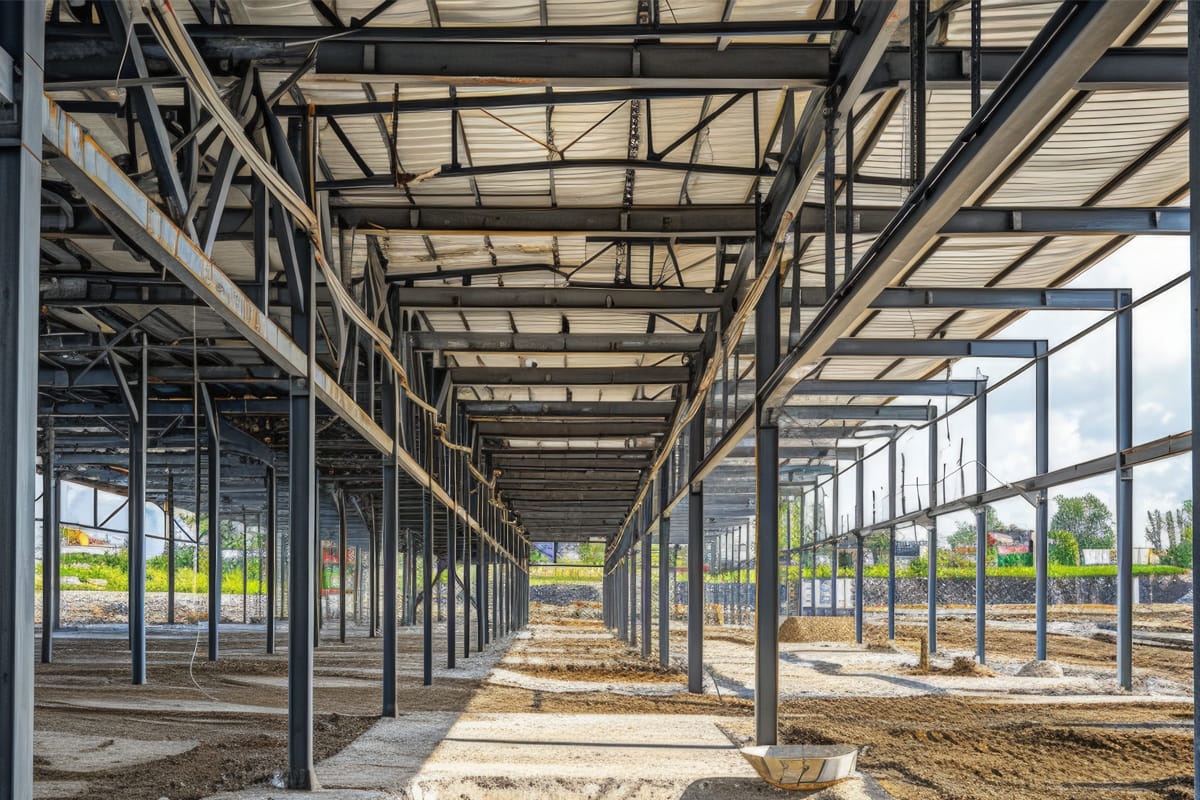
Farming has always demanded buildings that can take a beating, stay useful through changing seasons, and support the daily rhythm of hard work without becoming a constant repair project. That is one reason metal buildings have become such a practical choice across the agricultural industry, especially for property owners who need dependable space for equipment, livestock support, hay storage, feed protection, workshops, and general operations. When every square foot needs to earn its keep, a building has to do more than stand there. It has to protect valuable assets, stay functional through weather extremes, and adapt as the operation grows.
For many farmers and agricultural operators, the appeal of metal buildings comes down to durability, flexibility, and long-term value. A well-designed agricultural metal building can serve as a barn, machinery shed, storage facility, riding arena, workshop, or multi-use structure without forcing the owner into a one-size-fits-all layout. That matters in agriculture, where no two properties operate in exactly the same way. Ludwig Buildings helps bring that flexibility to life by creating metal building solutions that are built around real working needs, not generic assumptions.
Why Agriculture Needs Better Building Solutions?
Agricultural operations put serious stress on buildings over time, because the demands are constant and the environment is rarely gentle. Heat, humidity, wind, rain, mud, pests, and heavy equipment can all wear down a structure faster than many owners expect, especially when the building was not designed for farm use in the first place. Wood structures may still have their place, but many farmers are now looking at metal as a smarter way to reduce maintenance headaches while gaining stronger protection for the things that keep the operation moving. That shift is not just about appearance or trend. It is about choosing a building material that makes daily work easier and long-term ownership more manageable.
Agriculture also requires buildings that can serve multiple purposes without becoming inefficient. A structure may need to store tractors today, protect hay next season, and later be reworked into a livestock shelter or equipment maintenance area as the operation changes. That kind of adaptability is one of the biggest strengths of metal buildings in the agricultural industry, because clear-span designs, custom dimensions, and flexible interior layouts give property owners room to think ahead. Instead of building for one narrow function, many operators now want a structure that can keep pace with the realities of farm life.
Built for Harsh Conditions and Heavy Use
Metal buildings are especially attractive in agricultural settings because they are designed to handle demanding conditions with greater consistency than many traditional structures. Farm properties deal with ongoing exposure to moisture, airborne debris, shifting temperatures, and high-traffic use from people, machinery, and animals. A building that works well in a suburban setting may not last the same way on a working agricultural site. Metal construction offers a more resilient solution because it is better suited for strength, longevity, and repeated use in rugged environments.
That strength becomes even more valuable when the building is protecting expensive equipment or large volumes of feed, seed, or harvested materials. One damaged roof, one weak wall system, or one poorly planned structure can create a chain reaction of costly setbacks. When a storm moves through or daily operations get rough, the building needs to keep doing its job without becoming the next problem on the property. For many operators, that peace of mind is a major reason to invest in agricultural metal buildings from the beginning.
The Role of Metal Barns in Modern Farming
The idea of a barn has changed over the years, and today’s agricultural properties often need something more versatile than the classic image most people picture. A metal barn can still provide the shelter and utility farmers expect, but it can also be tailored for modern uses that involve large machinery, specialized storage, and a more efficient interior layout. That makes metal barns a strong fit for operations that want traditional function with improved performance. Instead of forcing the property owner to work around the building, the building can be designed to support the workflow.
Metal barns are also appealing because they can be sized and configured for a wide range of needs, from small family farms to large commercial agricultural operations. Some owners need open space for tractors, combines, and implements, while others want divided areas for animal care, tack storage, feed, and enclosed work zones. With the right design, a metal barn can support all of those priorities without sacrificing strength or ease of access. That kind of flexibility helps make the investment more useful from day one.
Storage Matters More Than Many Operators Realize
Agricultural storage is one of the most important reasons farmers invest in metal buildings, because the condition of stored materials directly affects productivity and profitability. Hay, feed, seed, fertilizer, tools, and machinery all need protection from moisture, sun exposure, and general deterioration. Leaving valuable materials exposed or storing them in an aging structure can lead to waste that slowly adds up over time. A properly planned metal storage building helps reduce those risks by creating a more secure and controlled environment.
Storage buildings also improve organization, which has a bigger impact on daily operations than many people expect. When tools, supplies, and equipment are easier to access and protect, work moves faster and the property feels more manageable. That matters during planting, harvest, calving season, storms, and every other period when time feels short and pressure is high. A good agricultural metal building does not just store things. It helps the entire operation run more smoothly.
Can Metal Buildings Work for Livestock-Related Needs?
Yes, metal buildings can absolutely support livestock-related uses, although the design needs to reflect the specific animals, ventilation needs, and daily activity levels involved. Livestock operations require more than simple shelter, because airflow, temperature control, drainage, access points, and interior layout all affect animal well-being and labor efficiency. A metal building can be designed to support these priorities while still offering the durability and low-maintenance benefits owners want. The key is to build with the real agricultural use in mind from the start.
For example, some livestock-focused metal buildings include open-sided designs, higher clearances, wide entry points, and carefully planned ventilation systems that help improve airflow and reduce moisture buildup. Others may include enclosed areas for feed storage, birthing support, equipment storage, or daily care tasks that need a protected workspace. This kind of flexibility gives agricultural operators a chance to create buildings that support both animal care and property management in one coordinated structure. That is one reason metal buildings continue to gain ground in the agricultural industry.
Equipment Protection Is a Long-Term Investment
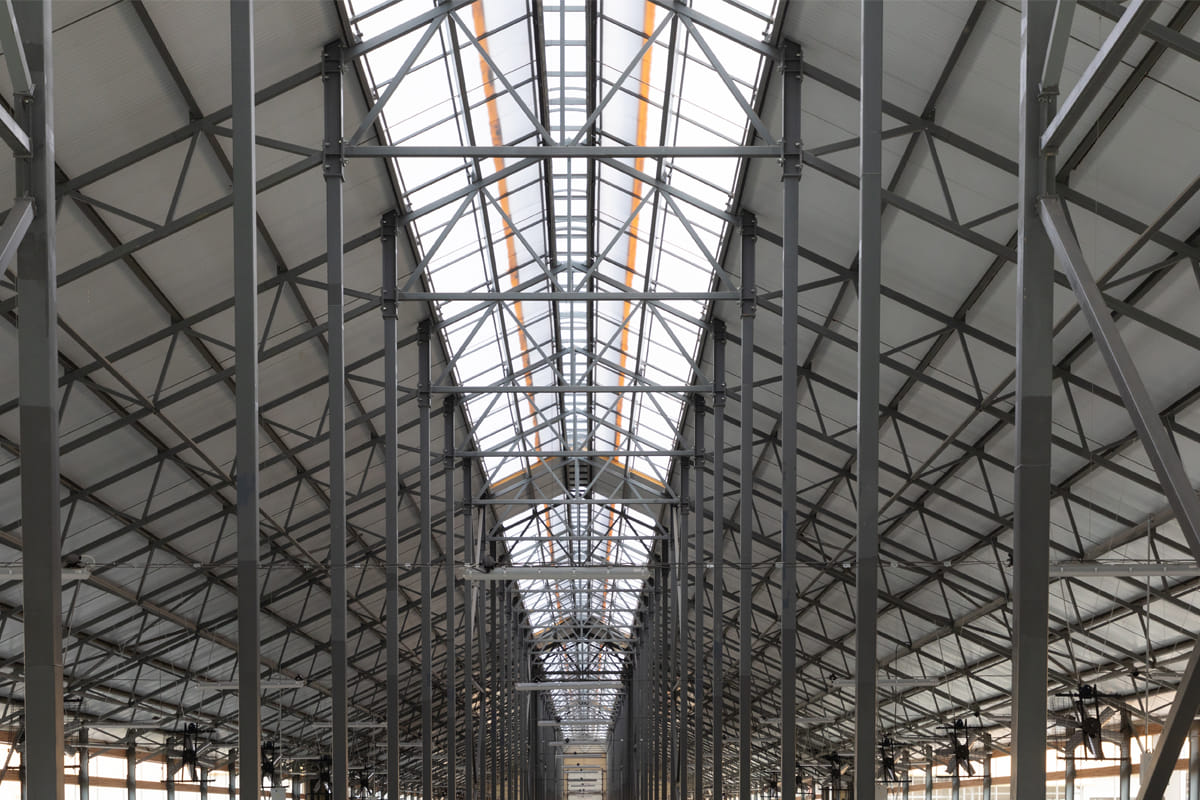
Farm equipment is expensive, essential, and often exposed to conditions that shorten its useful life when it is left out in the open. Sun, rain, wind, dust, and seasonal weather shifts can all wear down machinery faster than owners would like, even when the equipment is built tough. A metal equipment building gives tractors, sprayers, trailers, balers, and other machinery a dedicated place to stay protected when not in use. That protection can help reduce wear, extend service life, and support better maintenance habits over time.
It also makes the property feel more functional, because equipment is easier to organize, inspect, and access when it is housed in a dedicated structure. During busy seasons, that convenience can save time every single day, which adds real value in an industry where delays quickly become expensive. A metal building designed for equipment storage can include large door openings, tall clearances, and open spans that allow operators to move in and out without hassle. Those details may seem simple, but they make a major difference in real farm use.
What Makes Metal Buildings Cost-Effective Over Time?
Up-front cost always matters, but agricultural operators usually think beyond the initial price because they understand how ownership costs build over time. A structure that seems cheaper at first can become far more expensive if it requires frequent repairs, ongoing pest control, material replacement, or higher maintenance year after year. Metal buildings often make strong financial sense because they are designed for longevity and reduced upkeep. When the structure stays stronger with less intervention, the overall value becomes easier to see.
Another factor is efficiency in design and use. Metal buildings can often be customized to avoid wasted space, improve storage capacity, and support smoother traffic flow for equipment and workers. That means the building is not only durable, but also more useful for the operation it serves. When a farmer invests in a building that fits the work instead of fighting against it, that return shows up in both practical use and long-term planning.
Expansion and Adaptability Support Future Growth
Agricultural businesses rarely stay frozen in one exact form forever, which is why adaptability matters so much when choosing a building system. A property may add more equipment, increase storage needs, shift toward livestock support, or bring new operational goals into the picture over the coming years. Metal buildings make that growth easier to manage because they can be planned with future expansion and layout flexibility in mind. That gives owners more control over how their property evolves.
This matters especially for operators who do not want to outgrow a new building too quickly. Investing in a structure that allows room for change can prevent another major construction project from becoming necessary sooner than expected. Even when the initial goal is simple, such as storing hay or protecting machinery, it makes sense to think about how the building might serve additional uses later. Ludwig Buildings can help agricultural clients think through those practical details so the finished structure supports both current operations and future needs.
Weather Resistance Is a Serious Priority
Weather is one of the biggest forces shaping agricultural building decisions, because farm properties face everything from heavy rain and wind to harsh sun and seasonal extremes. A weak building envelope can expose equipment, feed, and work areas to damage that affects both cost and productivity. Metal buildings are often chosen because they offer reliable strength in the face of those conditions, especially when engineered for the site and intended use. That reliability matters when a storm shows up and the building has to perform exactly as promised.
Weather resistance is not only about dramatic events, either. Daily exposure to moisture, heat, and fluctuating temperatures also affects how well a structure holds up over the years. A building that resists deterioration more effectively can help reduce the cycle of patching, replacing, and worrying that many property owners know too well. In agriculture, where enough variables are already outside your control, a durable building becomes one less thing to second-guess.
Metal Buildings Support a Cleaner, More Organized Property
A well-planned agricultural metal building can improve the overall look and function of a property in ways that go beyond storage alone. When machinery, tools, supplies, and work areas are brought into a more organized system, the site becomes easier to manage and safer to navigate. That matters for owner-operators, family farms, and larger teams alike, because a cleaner layout supports better routines and fewer daily frustrations. Good buildings create order, and order supports productivity.
This is especially valuable on properties where different functions need to coexist without creating confusion. Equipment storage, workshops, feed areas, supply rooms, and livestock-related spaces all place different demands on the site. A custom metal building allows those uses to be brought together more intentionally, which can improve workflow and make the operation feel more efficient as a whole. That kind of organization is often underestimated until people experience the difference for themselves.
Choosing the Right Partner for an Agricultural Building Project
Not every builder understands what agricultural clients actually need from a metal building, and that can affect everything from layout to long-term satisfaction. Farmers and agricultural operators need a company that recognizes how these buildings are used in the real world, not just how they look on paper. The best results come from planning around access, storage demands, site conditions, future growth, and the realities of daily agricultural work. That is where experience and thoughtful design matter.
Ludwig Buildings is a strong choice for agricultural metal building projects because the company understands that a farm building has to perform first and impress second. Whether the goal is a barn, equipment shed, storage structure, workshop, or multi-use agricultural facility, the building should be tailored to the property and the people who use it every day. A good project starts with the right questions, continues with practical design, and ends with a structure that makes the land more useful. For farmers researching barns, storage, and ag-focused metal buildings, now is the right time to reach out to Ludwig Buildings and start planning a building that works as hard as you do.

- Address
521 Timesaver Ave
Harahan, LA 70123- Get Directions
- Get Directions
- Phone Number
- (504) 733-6260
- Toll Free Number
- (855) 889-6348
Resources
Buildings
Areas Served
Copyright© 2026 Ludwig Buildings Enterprises, LLC | Privacy Policy