
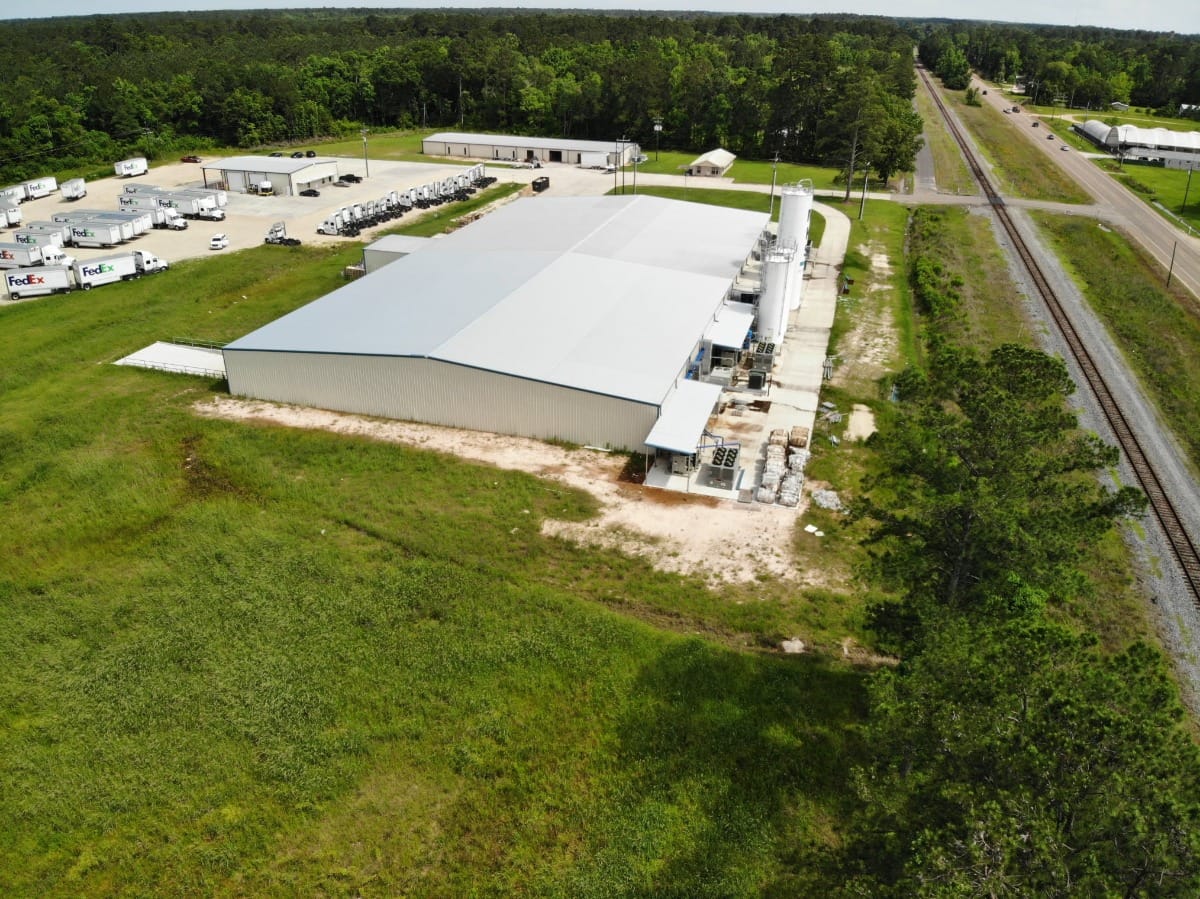
Insulation in metal building construction used to be an afterthought, something that was added near the end of the project simply to meet code, yet today it has become one of the most powerful tools for turning a basic shell into a high performance, comfortable, and efficient space. When you treat insulation as part of the overall design, you can transform how a metal building looks, feels, and performs in everyday use.
Ludwig Buildings sees insulation as part of the building’s personality, not just a line item on a material list. The right strategy can make a metal building feel bright instead of cavernous, quiet instead of echo filled, and steady in temperature instead of hot in the afternoon and cold at night. That shift from “mandatory material” to “design feature” is where innovation begins.
What Makes Metal Buildings Different to Insulate?
Metal responds quickly to temperature changes, which can be both a blessing and a challenge, because the structure can gain or lose heat far faster than a traditional wood-framed building. This responsiveness means that poor insulation leaves you with a building that swings from uncomfortable to unbearable, while good insulation gives you a structure that feels stable and predictable throughout the day.
Metal surfaces also tend to attract condensation whenever warm humid air meets a cooler panel, so insulation in these buildings has to handle moisture movement as well as temperature. Thoughtful insulation systems in metal buildings combine thermal resistance, air control, and vapor management, which results in a building that resists rust, mold, and long term structural issues.
Why Does Insulation Matter More than Ever in Metal Building Construction?
Energy costs, comfort expectations, and building codes have all increased in importance, which means the old idea of “just roll some fiberglass between the purlins” no longer meets the needs of most owners. Businesses want operating costs that are predictable, homeowners want spaces that feel comfortable in every season, and everyone is paying closer attention to durability and environmental impact.
Innovative insulation strategies in metal buildings can directly support those goals because they reduce heat gain, lessen the load on heating and cooling equipment, and protect the building shell. Over the life of a metal building, the right insulation often pays for itself many times over, especially when it is chosen and installed with a clear plan instead of being treated as a last minute add on.
Can Insulation Turn Your Metal Building into an Energy Saving Powerhouse?
Insulation absolutely can turn a simple metal building into an energy-saving workhorse when it is part of a complete building envelope strategy. When Ludwig Buildings designs a project, the team looks at the roof, walls, doors, windows, and slab as one system, then uses insulation to slow the flow of heat at each of those points. That might mean combining batt insulation with rigid board, or pairing reflective barriers with more traditional materials.
The result is a building that holds its interior temperature much more easily, which means your air conditioning or heating system does not have to run as long or as hard. Over time, that reduction in runtime can translate into lower utility bills, less wear on mechanical equipment, and a more comfortable space for people, products, or animals that live and work inside the building.
Creative Roof Insulation Strategies for Metal Structures
The roof is usually the biggest source of heat gain in a metal building, which makes it the first place to look for innovative insulation ideas. One approach involves using a continuous layer of rigid insulation above or below the roof panels to block thermal bridging, which is the direct transfer of heat through the framing. This continuous layer smooths out hot spots and cold spots and gives the interior a more even temperature profile.
Another creative strategy pairs a high reflectivity roof color with a reflective insulation or radiant barrier system, which reflects a significant portion of the sun’s energy before it turns into heat inside the building. This combination can be especially powerful in warm climates, where reducing solar heat gain can make a dramatic difference in how the building performs during long, bright afternoons.
Some projects also take advantage of insulated roof panels that integrate metal skins with a foam core, which provides structure, insulation, and a finished ceiling in one product. Those panels can speed up construction, create a clean interior look, and provide very consistent thermal performance across the entire roof.
Using Wall Insulation to Shape the Personality of a Space
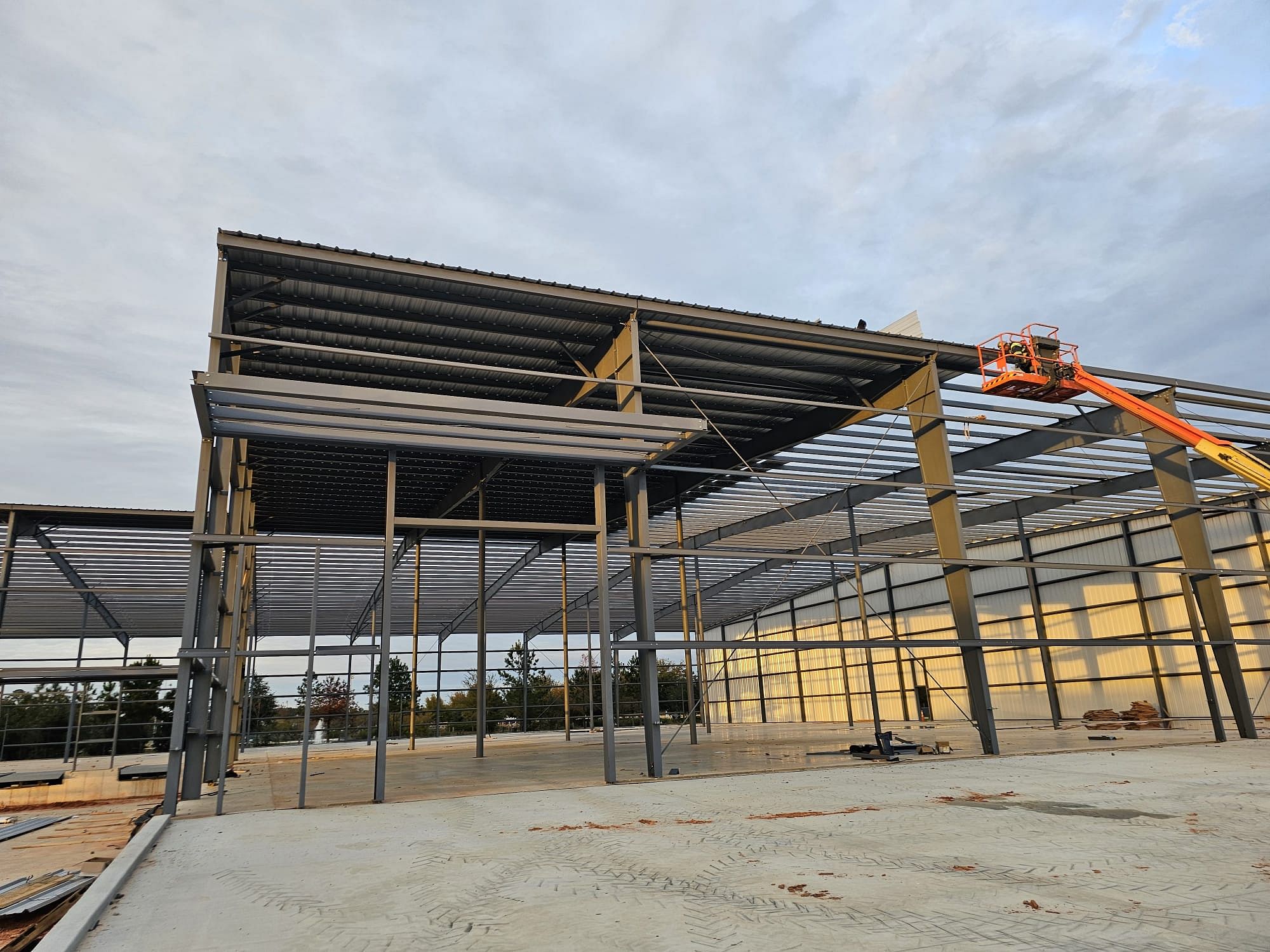
Wall insulation in a metal building does more than slow heat flow, because it contributes directly to how a space feels when you walk inside. A bare metal wall often makes a building feel harsh and industrial, while insulated walls with liners or finished surfaces can feel polished, inviting, or even residential.
Ludwig Buildings frequently uses combinations of batt insulation, rigid foam, and interior liner panels to soften the interior while still maintaining the clean lines that make metal buildings appealing. This approach allows owners to tailor the feel of the building to its use, whether that is a quiet office, a bright retail space, a practical workshop, or a multi purpose community building.
Smart Approaches to Condensation and Moisture Control
Condensation is one of the most important issues to address in metal building insulation design, because moisture that regularly forms on panels or framing can cause corrosion, staining, and mold over time. Innovative moisture control is not just about thicker insulation, it is about combining the right vapor retarders, air sealing strategies, and ventilation.
A thoughtful design might place a vapor retarder on the warm side of the insulation to limit moisture migration, then pair that with controlled ventilation or dehumidification to manage indoor humidity levels. Ludwig Buildings also pays close attention to details at seams, penetrations, and transitions between roof and wall systems, because small gaps in insulation or air barriers can create cold spots where condensation forms.
Acoustic Insulation That Makes Metal Buildings Surprisingly Quiet
Many people assume that a metal building will always be loud, with rain drumming on the roof and voices echoing off the walls, although that reputation often comes from structures that were never insulated properly. The right insulation can soften those echoes, absorb sound, and create a calm, productive environment where it is easy to talk, think, and work.
Acoustic batts, insulated liner panels, and even the choice of ceiling height and interior finishes all play a role in how a metal building sounds. When Ludwig Buildings plans a project that will host worship, education, offices, or retail, the team carefully considers how sound will travel, then uses insulation as a key tool in shaping that acoustic experience.
Designing Zoned Insulation for Multi Use Metal Buildings
Many modern metal buildings serve multiple purposes under a single roof, such as a shop attached to an office, or a climate controlled storage area connected to a large open bay. In those cases, one insulation strategy rarely fits every zone, so an innovative approach uses different insulation levels and systems in different parts of the same building.
A practical example might include high R value insulated panels around a conditioned office block, paired with standard batt insulation in a lightly heated workshop and minimal insulation in a covered equipment bay. Zoning insulation in this way lets you put money where it matters most, which gives you comfort and efficiency in the spaces that need it, without overspending where you do not.
How Do Insulated Panels Change the Game for Metal Buildings?
Insulated metal panels combine the exterior skin, the insulation, and the interior surface into one integrated product, which makes them a powerful option for metal buildings that need high performance envelopes. These panels often deliver very high R values, excellent air tightness, and a sleek modern appearance that works well for both industrial and commercial designs.
They also reduce the number of trades and steps involved in enclosing the building, since one product replaces separate layers of sheathing, insulation, and interior finish. For owners who want a clean, crisp aesthetic and strong thermal performance, Ludwig Buildings can incorporate insulated metal panels into the overall design, either throughout the entire structure or in critical zones like offices, showrooms, or conditioned storage areas.
Insulation Ideas for Specialty Spaces like Cold Storage and Sensitive Inventory
Some metal buildings house products that are extremely sensitive to temperature swings, such as food storage, pharmaceuticals, or certain types of equipment and inventory. These spaces demand more than standard building insulation, so designers often turn to high performance assemblies that combine thick insulation, high quality air sealing, and carefully planned mechanical systems.
In cold storage or temperature controlled environments, the insulation package is part of a complete system that includes doors, dock seals, and floor treatment. Ludwig Buildings can help align the insulation strategy with refrigeration or HVAC design, which makes sure the building shell supports the precise conditioning that these specialty uses require.
Pairing Insulation with Natural Light and Ventilation
Insulation is often discussed in terms of resisting heat flow, although it also works best when combined with good daylighting and ventilation strategies. A metal building that uses insulated roof panels or high R roof assemblies can also incorporate skylights, translucent panels, or well placed windows to bring in natural light without creating hot spots.
Thoughtful designs can pair insulation with ridge vents, wall louvers, or mechanical ventilation so that hot air does not stay trapped at the ceiling and stagnant air does not build up inside work areas. This combination of light, air, and insulation helps create interior environments that feel more like high quality commercial buildings than simple storage sheds.
How Does Insulation Support Sustainability and Long Term Value?
Owners who care about sustainability are often pleasantly surprised to learn how much impact insulation choices can have on the environmental footprint of a metal building. A well-insulated structure uses less energy, which reduces operating emissions over time and supports green building goals. The ability of metal buildings to integrate high-performance insulation also means they can be strong candidates for efficient retrofits or upgrades in the future.
From a financial standpoint, insulation contributes to long-term value by protecting the building from condensation-related damage and by making it more attractive to future buyers or tenants. A metal building that feels comfortable, looks finished, and operates efficiently is easier to lease, easier to maintain, and more desirable as a long-term asset.
Why Your Insulation Plan Should Start Early in the Design Process
One of the most innovative things you can do with insulation is simply to make it part of the conversation from the first design sketch, instead of waiting until the building shell is already set. When insulation is considered early, Ludwig Buildings can adjust spans, framing layouts, roof slopes, and wall assemblies so they work hand in hand with the chosen insulation strategy.
That early planning opens the door to creative solutions like integrated insulated panels, hidden roof insulation systems, or architectural features that provide shading and reduce heat gain. It also helps keep the project on budget because the insulation approach is coordinated with structure, finishes, and mechanical systems, rather than being a surprise cost at the end of the project.
Ready to Explore Innovative Insulation with Ludwig Buildings?
Insulation may not be the flashiest part of a metal building, yet it is often the difference between a space that you tolerate and a space that you truly enjoy using. When you treat insulation as a design tool, you gain control over comfort, noise, moisture, and energy performance, which means your metal building can feel more like a custom crafted environment than a generic box.
Ludwig Buildings brings experience, creativity, and practical know-how to every project, which helps you choose insulation strategies that fit your climate, your budget, and your goals for the building. If you are planning a new metal building or considering upgrades to an existing one, partnering with Ludwig Buildings is a smart way to unlock innovative uses of insulation that will serve you well for years to come.

- Address
521 Timesaver Ave
Harahan, LA 70123- Get Directions
- Get Directions
- Phone Number
- (504) 733-6260
- Toll Free Number
- (855) 889-6348
Resources
Buildings
Areas Served
Copyright© 2026 Ludwig Buildings Enterprises, LLC | Privacy Policy