
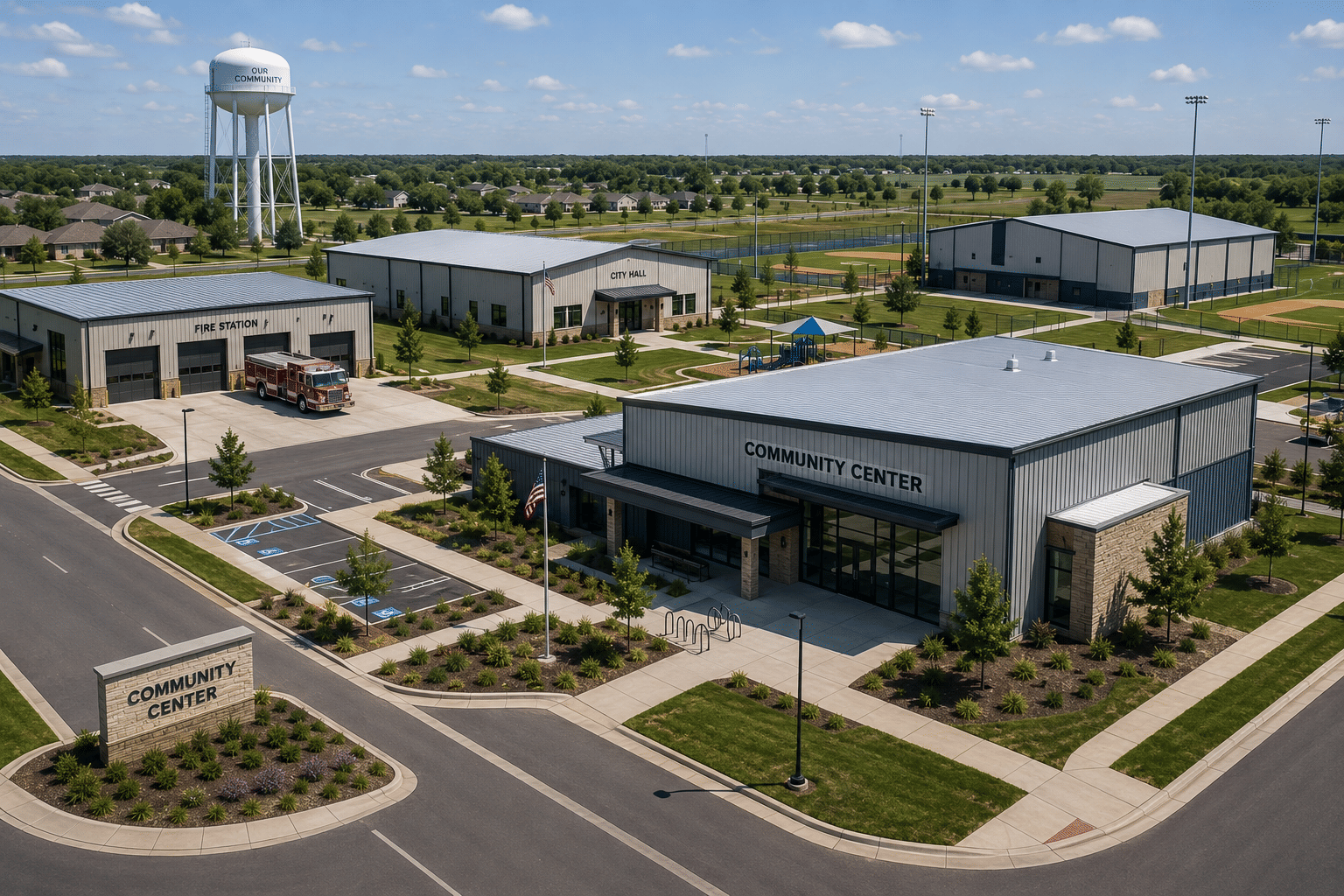
Metal buildings are often discussed in terms of durability, affordability, and construction efficiency, yet their influence reaches far beyond the property where they stand. A well-planned structure can support new businesses, create jobs, strengthen supply chains, and provide practical space for agriculture, manufacturing, retail, storage, recreation, and public services.
For towns and growing regional markets, this value matters because accessible construction can help property owners, entrepreneurs, and local organizations advance projects that might otherwise remain on hold. Ludwig Buildings helps customers transform those plans into functional spaces that can contribute to local growth for years.
Metal Buildings Help Businesses Open and Expand
One of the clearest economic benefits of metal construction is that it gives businesses a practical way to add usable space. A manufacturer may need a larger production floor, a contractor may require secure equipment storage, or a retailer may be ready to open another location. The right building can provide room to grow without creating an unnecessarily complicated project.
Expansion often creates a ripple effect throughout the surrounding area. A growing company may hire employees, purchase more materials, increase its use of transportation services, and spend more with nearby vendors. The structure is only one part of the investment, yet it can become the physical foundation for a much broader increase in commercial activity.
Metal buildings can also be designed with future needs in mind. Interior layouts may accommodate current operations while leaving options for offices, storage areas, work bays, or equipment upgrades later. That flexibility can help a company remain in its community rather than relocating when the original space becomes too small.
How Do Metal Buildings Support Job Creation?
Construction generates work before a building is occupied. Site preparation, concrete installation, electrical work, plumbing, transportation, and equipment rental may involve several trades. When owners hire regional contractors and suppliers, more of the project budget can continue circulating locally.
The jobs created after completion may have an even greater long-term effect. A new warehouse, repair shop, farm facility, or production building can support permanent positions in technical work, administration, maintenance, sales, and logistics. Employees then spend part of their earnings at local stores, restaurants, service businesses, and housing providers.
Smaller projects matter, too. A family business that hires two people, a farm that adds seasonal workers, or a fitness facility that brings in several instructors still contributes to the employment base. When many modest investments occur across a region, their combined economic influence can be meaningful.
Affordable Construction Encourages Entrepreneurship
Starting a business requires careful control of expenses, particularly during the early years. Entrepreneurs must account for land, equipment, utilities, staffing, inventory, insurance, and other costs before revenue becomes predictable. A cost-conscious metal building can make the facility portion of that investment more manageable, leaving more capital available for operations.
This advantage can be especially valuable in smaller communities where existing commercial space may be limited, outdated, or poorly suited to specialized work. A custom structure can be planned around the business instead of forcing the business to adapt to an inconvenient property.
A diverse mix of locally owned companies can make a community more resilient because weakness in one industry may be partly offset by stability in another.
Metal Buildings Strengthen Rural Economies
Agricultural businesses rely on dependable space for equipment, livestock, feed, harvested products, maintenance work, and seasonal operations. Metal buildings can meet many of these needs while allowing farmers to create layouts that match their daily routines. Better organization and protection may reduce delays, limit weather-related losses, and support more efficient use of valuable machinery.
The benefits extend beyond an individual farm. Productive agricultural operations purchase fuel, parts, seed, feed, veterinary care, transportation, and professional services from other companies in the region. When a farm improves its capacity or efficiency, those connected businesses may benefit as well.
Rural communities also depend on welding shops, equipment dealers, processors, storage companies, and trucking operations. Metal facilities can give these businesses the room they need to serve producers, compete effectively, and remain active in the local economy.
Why Does Construction Speed Matter Economically?
Time has financial value in commercial development. Every month a business waits may represent delayed production, postponed sales, continued rent, or missed opportunities. Because pre-engineered components can simplify portions of construction, a coordinated metal building project may help qualified teams work efficiently.
A clearer schedule can also improve planning. Owners may be able to arrange financing, prepare the site, order equipment, and organize staffing with a better understanding of when the facility should become usable. Although no construction project is free from delays, early coordination can reduce avoidable uncertainty.
Earlier completion allows economic activity to begin sooner. Employees can report to work, customers can visit, suppliers can make deliveries, and revenue-producing operations can move forward instead of remaining on paper.
Local Supply Chains Gain New Opportunities
A metal building project may involve steel suppliers, concrete companies, insulation providers, door manufacturers, trucking firms, equipment dealers, and professional service providers. When these relationships are local or regional, the project supports companies that may continue working together on future developments.
The completed building can strengthen supply chains by giving companies space to store inventory, maintain equipment fleets, or produce goods closer to customers. Added local capacity may improve responsiveness and reduce dependence on distant facilities, particularly when transportation networks or outside suppliers face disruptions.
Strategically located warehouses can help businesses serve nearby customers efficiently while creating demand for drivers, mechanics, warehouse employees, and logistics professionals.
Underused Property Can Become Productive Again
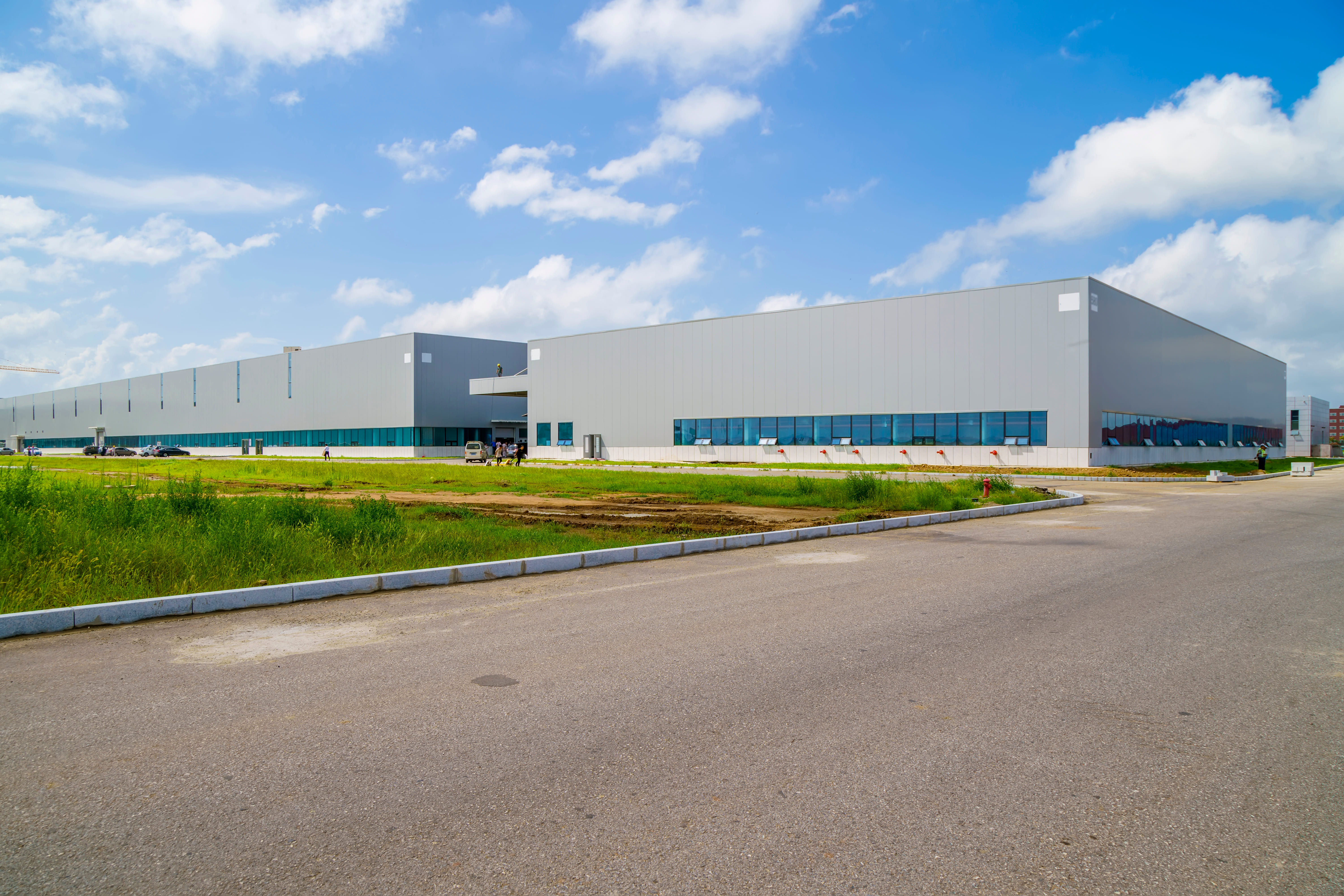
Vacant lots and neglected commercial parcels can limit the economic energy of a neighborhood, especially when they remain undeveloped for years. A thoughtfully designed metal building can return productive activity to those properties by creating space for shops, offices, storage, light industrial work, or community uses.
Successful redevelopment may encourage investment nearby. Once one property improves, surrounding owners may feel more confident renovating buildings, opening businesses, or upgrading their sites. Growth can then occur gradually across an area instead of remaining limited to a single project.
Exterior design deserves attention in visible locations. Rooflines, entrances, finishes, landscaping, and other details can help a metal building complement its surroundings. Practical construction does not have to appear temporary or out of place when the project is planned carefully.
Public Facilities Create Wider Benefits
Municipal departments, schools, nonprofit organizations, emergency services, and recreational groups may use metal buildings for vehicle storage, maintenance work, training, athletics, community events, or equipment protection. These facilities can improve public services while helping decision-makers make responsible use of limited budgets.
A town that gains reliable storage for public works equipment, for example, may protect vehicles from weather, organize maintenance more effectively, and extend the usefulness of expensive assets. The resulting savings can preserve funds for other local priorities.
Community facilities can host youth programs, sports leagues, classes, and public events that attract visitors, support part-time work, and generate nearby spending.
Long-Term Durability Protects Community Investment
A building is an economic asset, not merely an immediate expense. Owners need a structure that can remain useful through changing weather, business demands, maintenance needs, and operational growth. Metal buildings are valued for their strength and service potential when they are properly designed, constructed, and maintained.
Durability can reduce the need for premature replacement, allowing businesses and organizations to direct more money toward employees, equipment, customer service, and expansion. Predictable upkeep also helps owners budget for maintenance rather than constantly reacting to facility problems.
A lasting facility contributes to community stability by giving employees, customers, and business partners a dependable location.
Metal Buildings Can Strengthen the Tax Base
New development can increase property value and create taxable business activity, both of which may support local revenue over time. Depending on the project and jurisdiction, economic contributions may come through property taxes, sales taxes, business activity, permits, utility use, and employee spending.
Additional revenue can help communities support roads, schools, emergency services, parks, infrastructure, and other public needs. The precise effect varies by location, yet productive development generally offers more economic opportunity than property that remains vacant or underused.
Local leaders often seek growth that is practical, durable, and suited to community needs. Metal buildings can support that objective by making many commercial, agricultural, industrial, and public projects more achievable.
Flexible Buildings Help Communities Adapt
Industries evolve, technology changes, customer expectations shift, and communities develop new priorities. A building that can accommodate different layouts or future additions gives owners more options when those changes occur.
A structure used mainly for storage today might later include offices, work areas, retail space, or expanded production capacity. This flexibility can reduce the need to abandon a property and start over, preserving the original investment while supporting new uses.
Adaptable space may also help communities respond to unexpected needs. Depending on its design and local requirements, an available building could support distribution, training, public programs, or temporary operations during periods of rapid change.
Build Lasting Value With Ludwig Buildings
The greatest economic impact comes from projects planned around genuine business and community needs. Choosing the right size, layout, access, utilities, insulation, and expansion options can distinguish a building that merely occupies land from one that actively supports growth.
Metal buildings can influence local economies by creating construction work, supporting entrepreneurs, improving agricultural productivity, strengthening supply chains, revitalizing property, and expanding the tax base. Contact Ludwig Buildings to discuss a dependable metal building solution designed to support your property, your organization, and the community around it.

- Address
521 Timesaver Ave
Harahan, LA 70123- Get Directions
- Get Directions
- Phone Number
- (504) 733-6260
- Toll Free Number
- (855) 889-6348
Resources
Buildings
Areas Served
Copyright© 2026 Ludwig Buildings Enterprises, LLC | Privacy Policy